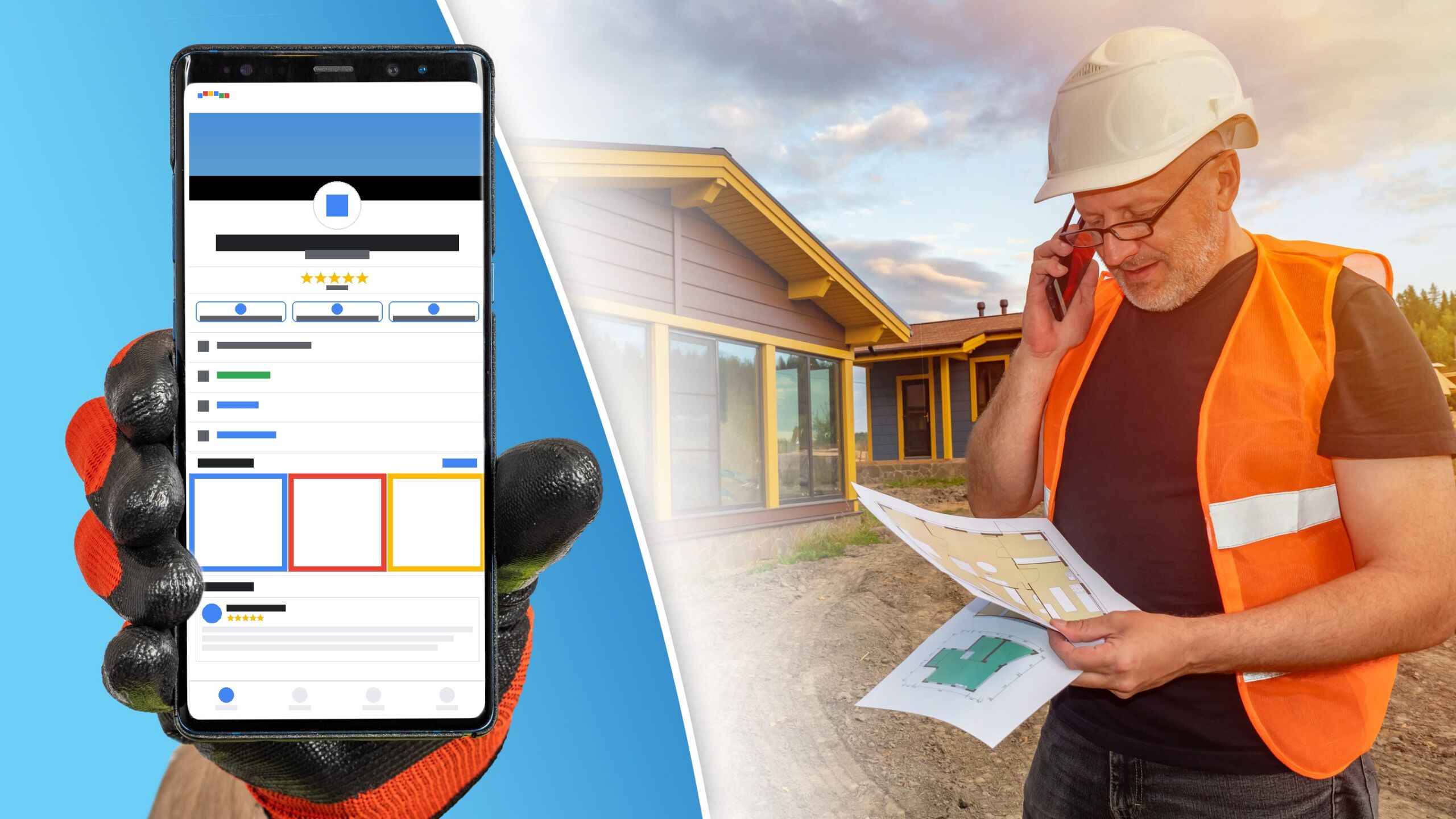
You want a steady stream of local roofing leads – not shared aggregator leads that went to four other contractors first. Most roofing companies have a Google Business Profile that’s claimed, half-built, and silent. Google Business Profile posts are one of the fastest paths into the Map Pack, and every quiet week is a week a competitor collects the calls that should be yours.
Step 1: Set Up Your Google Business Profile to Convert, Not Just Exist
Before any post does its job, the foundation has to be right. Roof Contractor Marketing audits nearly every new client profile and finds the same problems: wrong primary category, incomplete services, and NAP inconsistencies that hurt local search rankings. Fix these first.
- Primary category: “Roofing Contractor” only – not general contractor, not handyman
- NAP (name, address, phone) consistent across your website, profile, and directories
- Services built out with specifics: shingle replacement, flat roof repair, storm damage inspection
- At least 20 photos: before-and-afters, finished jobs, crew in action
- Q&A section pre-loaded with questions homeowners actually ask
Nail these first, and every Google Business Profile post you put out has a foundation worth landing on.
Step 2: Post the Six Roofing Content Types That Actually Drive Calls
Not all Google Business Profile posts perform the same. Here are the six types that consistently move the needle on calls and direction requests.
- Storm response alerts – “Hail hit [city] last night. We’re inspecting in [neighborhood] this week.”
- Before-and-after project posts – damage photo, finished photo, two sentences on what was done
- Seasonal tune-up offers – pre-winter maintenance, spring inspections, monsoon prep in Sun Belt markets
- Financing announcements – “Zero-interest financing available for full replacements this month”
- Five-star review highlights – a recent Google review paired with a matching job photo
- Neighborhood job completions – “Just finished a full re-roof in [subdivision]. Here’s what we found on tear-off.”
Roof Contractor Marketing tests these content types across client accounts in multiple markets. Specific jobs in named neighborhoods consistently outperform generic posts – homeowners click what feels like it could be next door.
Step 3: Write Google Business Profile Posts That Sound Like a Roofer, Not a Press Release
Most contractors who do post write like they’re filing a report. “XYZ Roofing is pleased to announce the completion of a residential project.” Nobody calls that company.
Google Business Profile posts convert when they sound like a person wrote them. “We replaced 38 squares of weathered 3-tab in Chandler after back-to-back hail” outperforms “quality work guaranteed” on both trust and click-through every time. Roof Contractor Marketing coaches clients to write posts the way they’d describe a job to a neighbor – what happened, where, what got fixed.
Step 4: Set a Posting Cadence Your Crews Can Actually Sustain
One burst of posts followed by two months of silence does more harm than good. Consistency tells Google your business is active – and active businesses rank higher in the Map Pack.
| Posting Frequency | Map Pack Signal | Best For |
| 1-2 posts per week | Strong relevance signal | Owners who batch content monthly |
| 3-4 posts per month | Moderate, beats inactivity | Companies without dedicated marketing |
| Fewer than 1 per month | Minimal – competitors gain ground | Common without an outside partner |
Roof Contractor Marketing builds a monthly content calendar for every roofing client so posting stays consistent even when the crew schedule is slammed.
Step 5: Tie Every Post to a Storm, Season, or Service Window
Generic posts on quiet Tuesdays underperform. Posts timed to hail events, freeze-thaw cycles, hurricane season, and monsoon prep land in front of homeowners who are already thinking about their roof. Roof Contractor Marketing builds seasonal content windows into every client’s GBP strategy so posts go live when demand peaks.
Research on hail damage risks to residential roofing systems confirms what contractors know from experience: storm events trigger an immediate spike in homeowner search activity, and the companies showing up consistently during those windows win the calls.
Step 6: Track Insights and Double Down on What Books Jobs
GBP Insights shows exactly which posts drove phone calls, direction requests, and website clicks. Most contractors never open it – and that’s money left on the table.
After 90 days of consistent Google Business Profile posts, you’ll have real data: which content types drive calls, which service area locations see the most searches, and what your homeowners actually respond to. Roof Contractor Marketing clients who actively track and adjust their GBP content average 20 to 50+ roofing leads per month. Contractors aligned with recognized standards for roofing business operations consistently outperform those flying blind. Add UTM parameters to your profile’s website link so you know which GBP traffic actually converts on your site.
Own your Map Pack position and the phone rings on your terms. Let your profile sit dark and you’ll watch storm chasers and better-funded competitors book jobs in your own backyard – another slow quarter while someone else fills their schedule.
Ready to turn your Google Business Profile into a lead-generating asset? Schedule My Free Audit and see how Roof Contractor Marketing helps roofing contractors book more jobs and outrank local competitors, no gimmicks, just old-fashioned marketing that gets results.